View it here: https://next-app-koala-market.vercel.app/

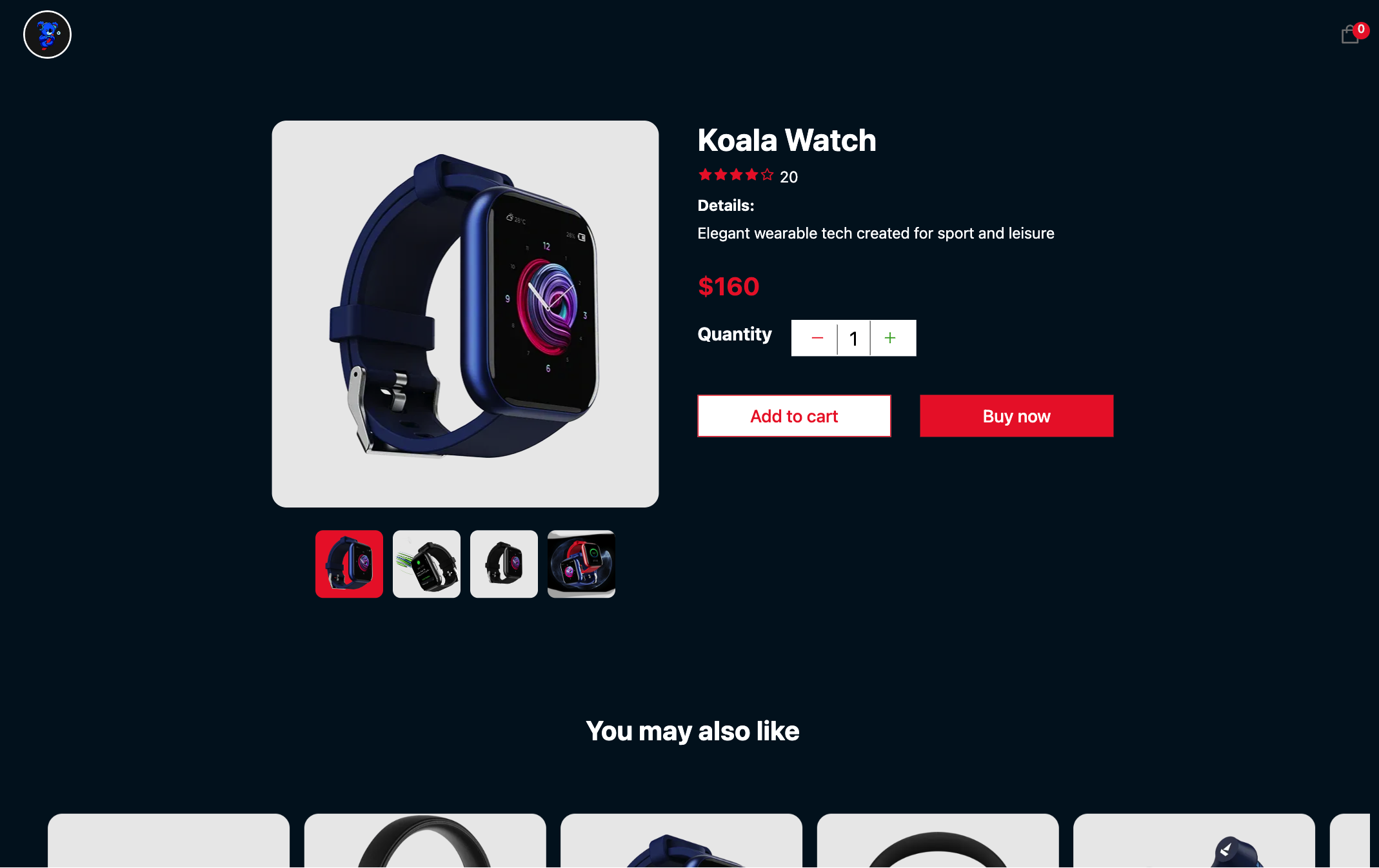
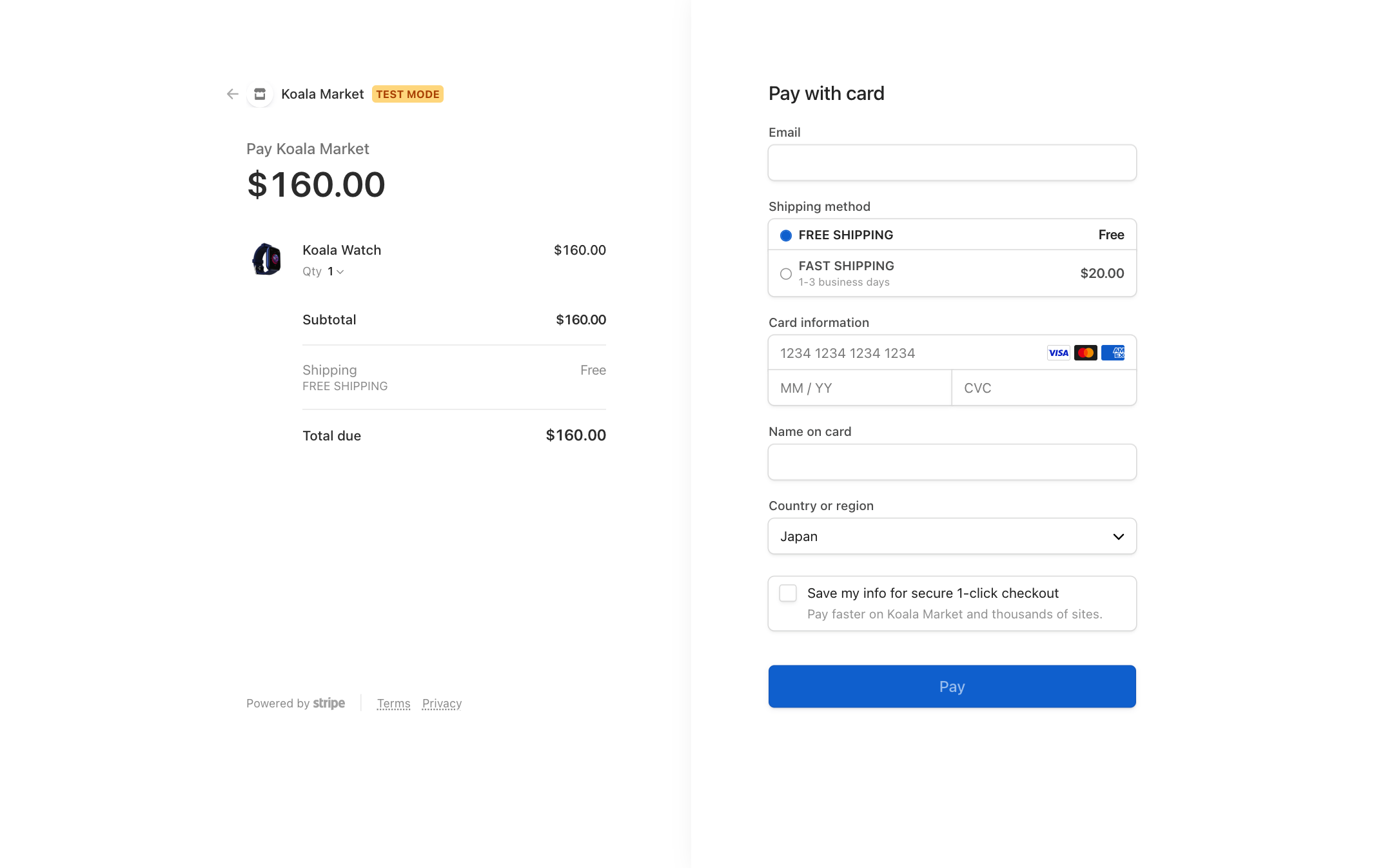
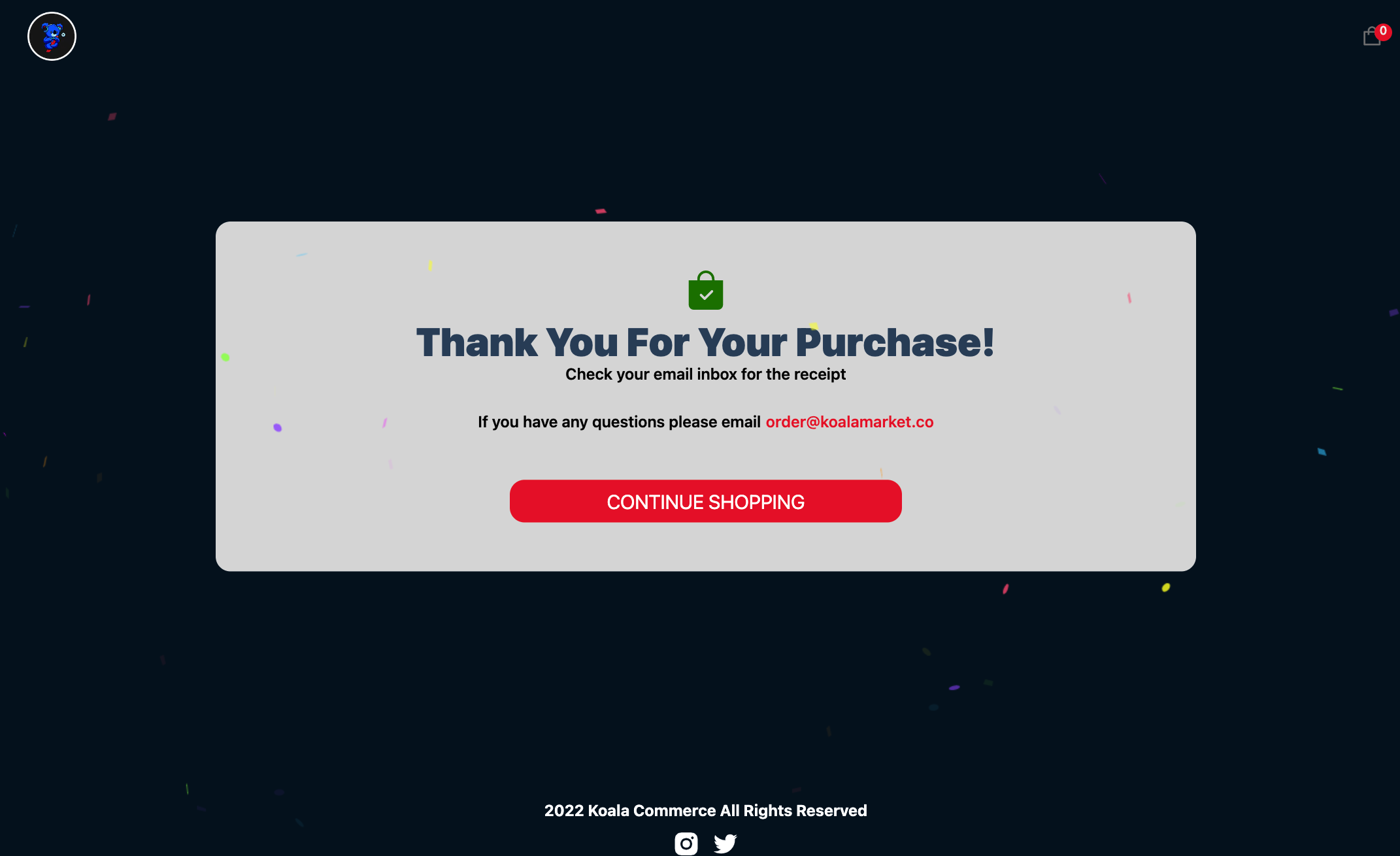
This project started because I was interested in building an ecommerce site from the ground up. I wanted to know what the process would be like, and how I could handle real-world problems such as data persistance, payment processing, etc. I found a powerful solution in combining Sanity as a CMS and the Stripe payment system. The end result is a fully rendered and workable ecommerce application designed with the most modern web development practices in mind.
How I used React:
- State management for the app is handled using the UseContext API from React
- Next JS is implemented using:
- Server-side and static generation of data (getServerSideProps, getStaticProps, getStaticPaths)
- Utilizing Next JS as a backend endpoint
- Modern React functional components with hooks and refs
- Custom implementation of Stripe to handle the checkout process, shipping rates and products
- Content is all managed through Sanity, I set up my own studio with customizations for each item and then used the sanity JS client to query product details and display on the FE.
- The result is a hyper-scalable, modern ecommerce web application

First, run the development server:
npm run dev
# or
yarn dev
Open http://localhost:3000 with your browser to see the result.
You can start editing the page by modifying pages/index.js. The page auto-updates as you edit the file.
API routes can be accessed on http://localhost:3000/api/hello. This endpoint can be edited in pages/api/hello.js.
The pages/api directory is mapped to /api/*. Files in this directory are treated as API routes instead of React pages.
To learn more about Next.js, take a look at the following resources:
- Next.js Documentation - learn about Next.js features and API.
- Learn Next.js - an interactive Next.js tutorial.
You can check out the Next.js GitHub repository - your feedback and contributions are welcome!
The easiest way to deploy your Next.js app is to use the Vercel Platform from the creators of Next.js.
Check out our Next.js deployment documentation for more details.