- Node. js
- Vue. js
- AngularJS
- Ember. js
- svelte
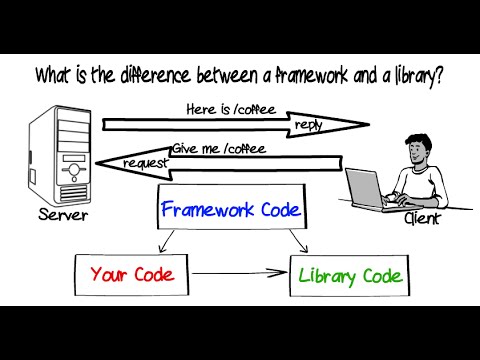
- Both frameworks and libraries are code written by someone else that is used to help solve common problems.
In Library, you import or call specific methods that you need for your project.
In simple words, a bunch of code packed together that can be used repeatedly is known as Library.
React : is a JavaScript library for building user interfaces.
Redux is an open-source JavaScript library for managing application state. It's most commonly used with React
Three.js It's another super cool JavaScript library used to create and display 3d computer graphics.
Lodash is a JavaScript library that provides utility functions for common programming tasks.
It's more of a productivity kit in node.js
jQuery is a JavaScript library that does the things like event handling and HTML document manipulation
A framework is a supporting structure that gives shape to your code. In the Framework, you have to fill the structure accordingly with your code frameworks sometimes get quite large, so they may also use the Library But the Framework doesn't necessarily have to use Library
Angular is a JavaScript framework for web and mobile development.
Django is a fully featured server-side web framework written in Python.
Express is a minimal and flexible Node.js web application framework that provides a robust set of features for web and mobile applications.
Rails is a web application development framework written in the Ruby programming language.
Spring Framework is an open-source framework for building web applications with Java as a programming language The main key difference between the Library and Framework is something known as inversion of control In Library, your code is going to call the Library whereas, in Framework, your code is being called by Framework.
Rendering: to showing the output in the browser.
Templates : A template is a chunk of HTML that you need to inject onto the page.
State : The state object is where you store property values that belongs to the component.When the state object changes, the component re-renders.
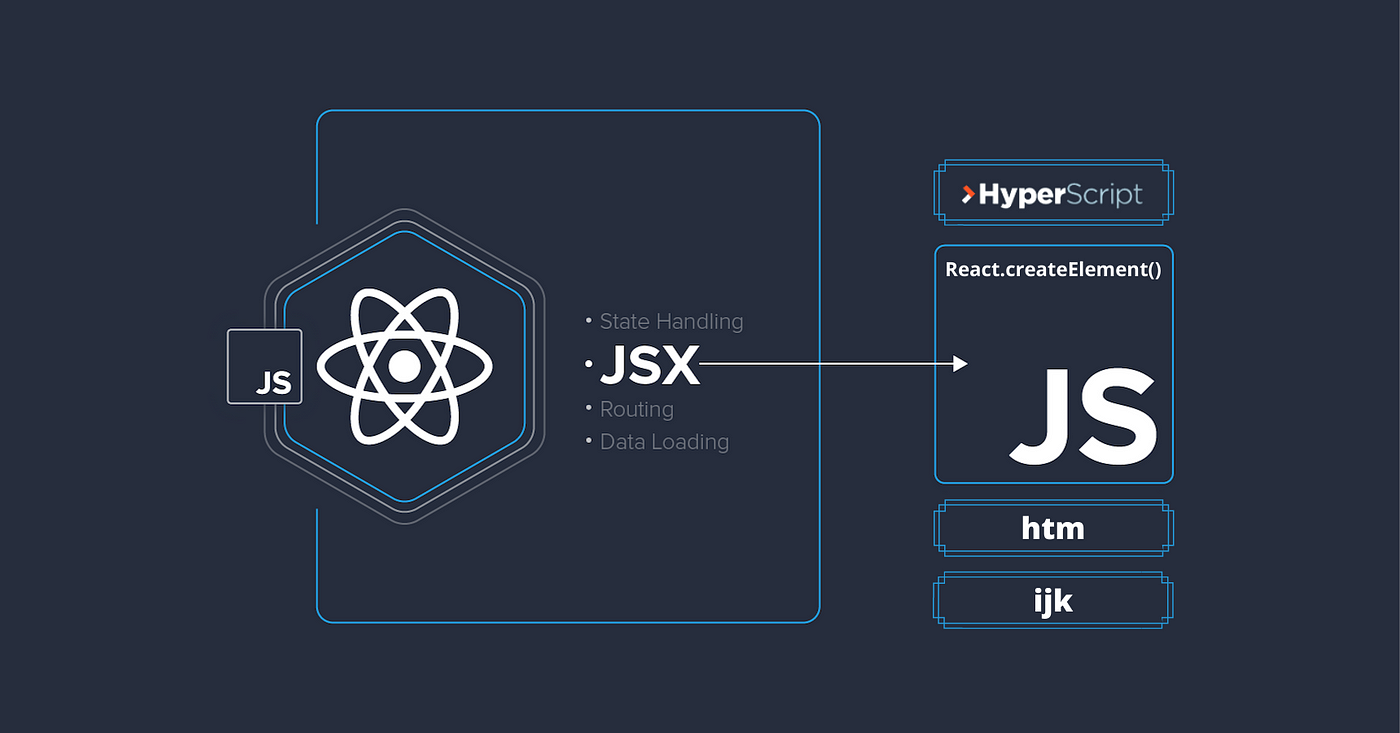
JSX stands for “JavaScript XML,” and it is a syntax extension to JavaScript based in ES6, the newest “version” of JavaScript. JSX allows you to write HTML in React by converting HTML into React components, helping you to more easily create user interfaces for your web applications