
is a platform built on Chrome's JavaScript runtime for easily building fast and scalable network applications. Node. js uses an event-driven, non-blocking I/O model that makes it lightweight and efficient, perfect for data-intensive real-time applications that run across distributed devices.
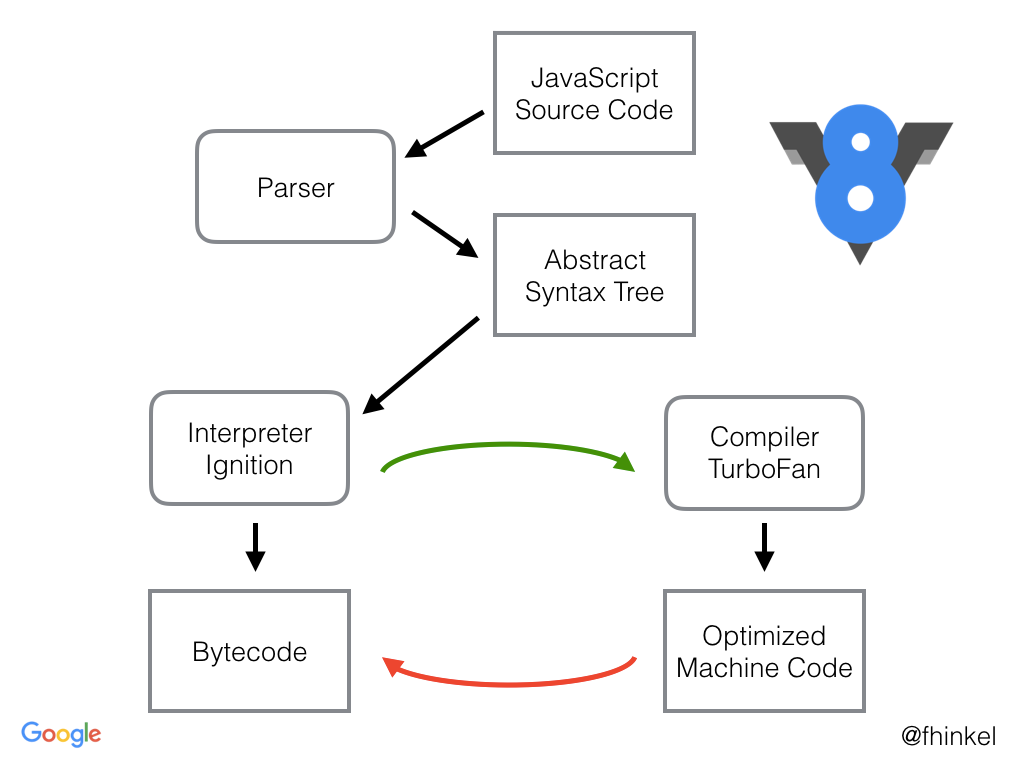
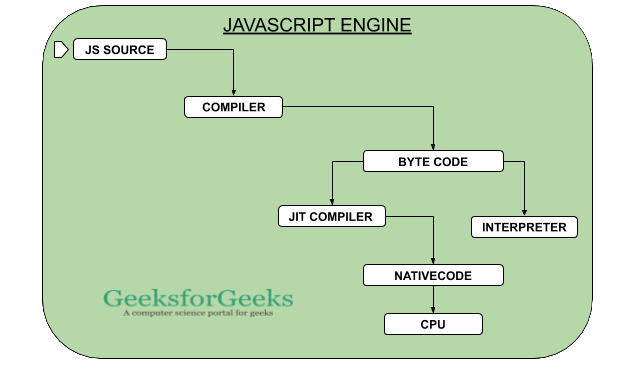
V8 translates JavaScript code directly into machine code so that computers can actually understand it, then it executes the translated, or compiled code.
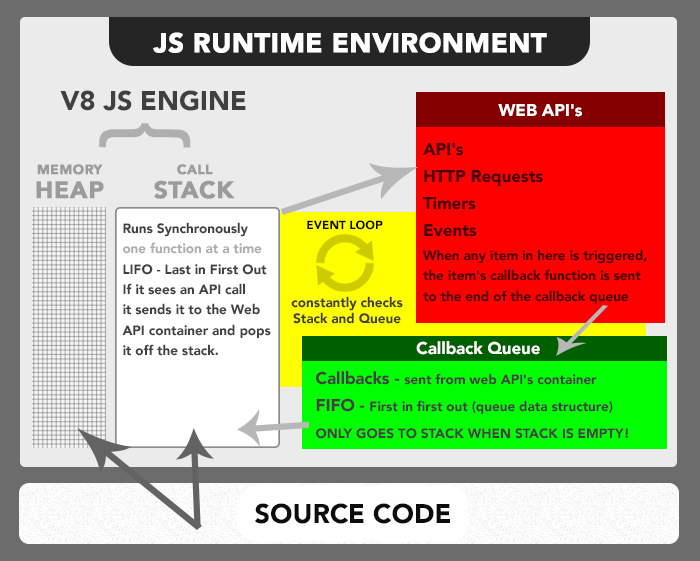
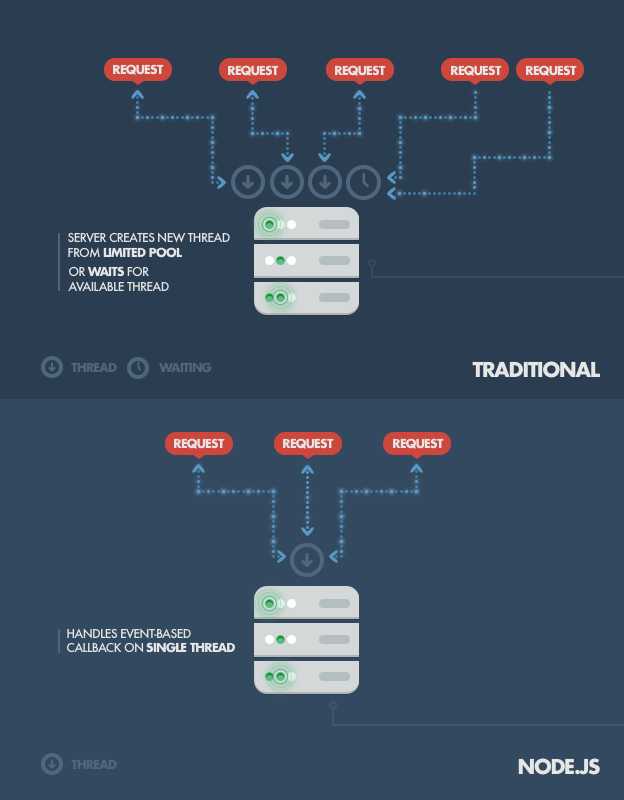
Node. js is a JavaScript runtime environment that achieves low latency and high throughput by taking a “non-blocking” approach to serving requests. In other words, Node. js wastes no time or resources on waiting for I/O requests to return.
so runtime in js refers to where your javascript code is executed when you run it. That said, javascript can be executed on google chrome, in which case your javascript runtime is v8, if on mozilla - it is spidermonkey, if IE - then its chakra and if on node, again its v8.
pm is the package manager for the Node JavaScript platform. It puts modules in place so that node can find them, and manages dependency conflicts intelligently. It is extremely configurable to support a wide variety of use cases. Most commonly, it is used to publish, discover, install, and develop node programs.
I can install jshint locally with npm install jshint or globally with npm install -g jshint. If your jshint module is in a different location, use the jshint.nodePath setting to specify the correct path.
is primarily used for non-blocking, event-driven servers, due to its single-threaded nature. It's used for traditional web sites and back-end API services, but was designed with real-time, push-based architectures in mind.

- Greater efficiency
- Engaged collaboration
- Learning from fellow students
- Social skills
- Job interview readiness
- Work environment readiness