-
The objective here is that the user should use the same session when navigating to different subdomains of a site. This can be easily done via cookies by setting the cookie domain as “.yoursite.com”. This is not easily possible to do via localstorage since the store is not shared across domains / subdomains.
A third-party cookie is placed on a website by someone other than the owner (a third party) and collects user data for the third party. As with standard cookies, third-party cookies are placed so that a site can remember something about the user at a later time. Third-party cookies, however, are often set by advertising networks that a site may subscribe to in the hopes of driving up sales or page hits
-
It’s a 1×1-pixel graphic used for tracking user behavior, site conversions, web traffic, and other metrics at a site’s server level. In other words, it is a tiny pixel-sized image, usually hidden, embedded in everything, from banner ads to emails.
-
You add the tracking pixel using a code in your site’s HTML code or email, which contains an external link to the pixel server. When someone visits your website, the HTML code is processed by their browser, which follows the link and opens the hidden graphic. This action is identified and recorded in the server’s log files. This method allows for different information about the visitor to be transmitted
-
cookies: Cookies are small pieces of data stored as text on the client's computer. Normally cookies are used only to store small amounts of data, including user preferences, time and more. Even though cookies are not harmful some people do not permit cookies due to concerns about their privacy.its used to identify your computer as you use a computer network. Data stored in a cookie is created by the server upon your connection. This data is labeled with an ID unique to you and your computer.
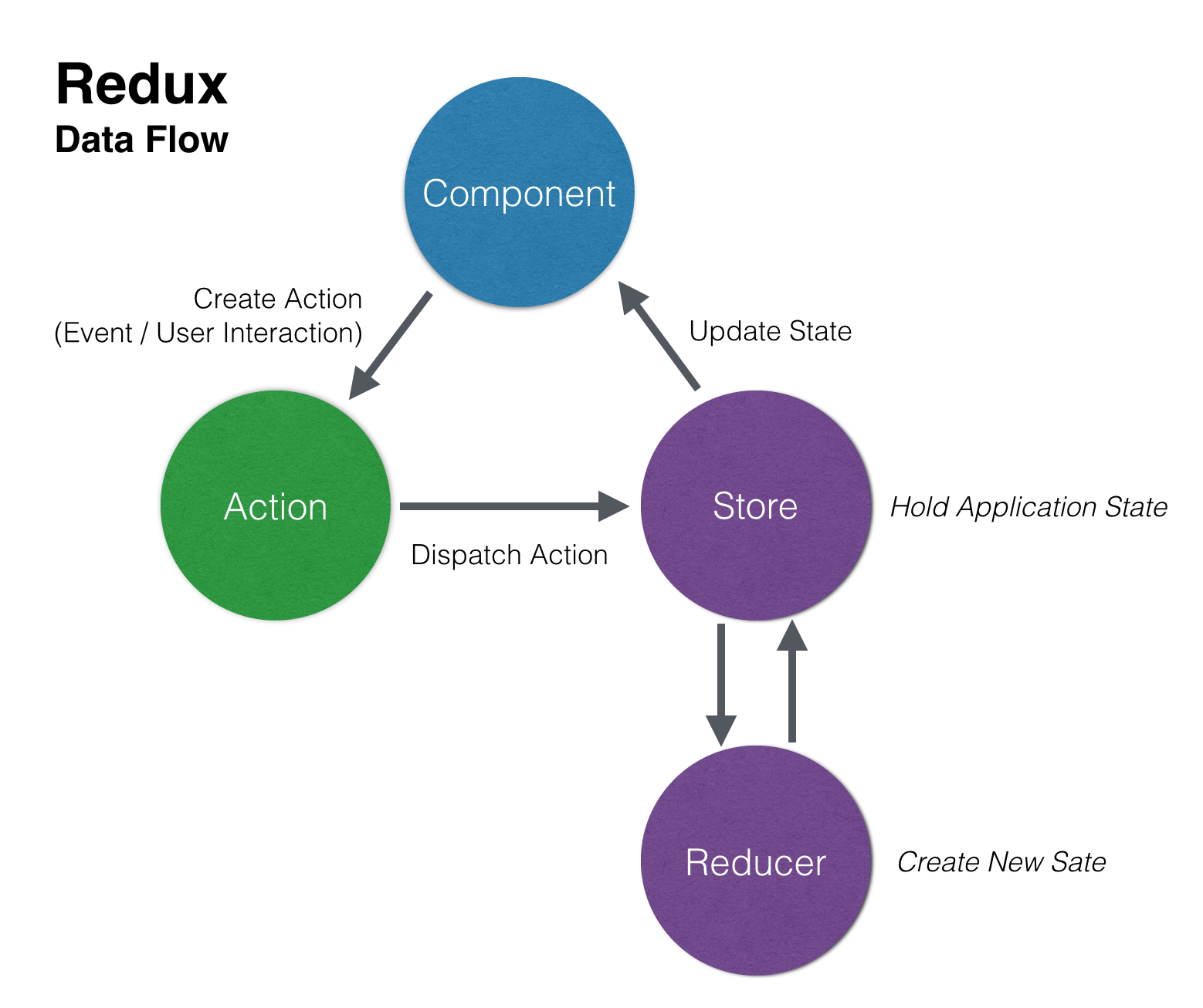
One application state object managed by one store
- create store as we create context
- pass store and context to provider
- imported as context exactly
is a function that creates and returns an action object. We typically use these so we don't have to write the action object by hand every time:
is a function that receives the current state and an action object, decides how to update the state if necessary, and | returns the new state: (state, action) => newState.