
HTML stands for Hyper Text Markup Language, which is the most widely used language on Web to develop web pages.
The is a markup language which is used by the browser to manipulate text, images and other content to display it in required format.
Tags in HTML: Tags are one of the most important part in an HTML Document. HTML uses some predefined tags which tells the browser about content display property, that is how to display a particular given content. For Example, to create a paragraph, one must use the paragraph tags(
) and to insert an image one must use the img tags(
- There are generally two types of tags in HTML:
-
Paired Tags: These tags come in pairs. That is they have both opening(< >) and closing(</ >) tags.
-
Singular Tags: These tags do not required to be closed. Below is an example of () tag in HTML, which tells the browser to bold the text inside it.
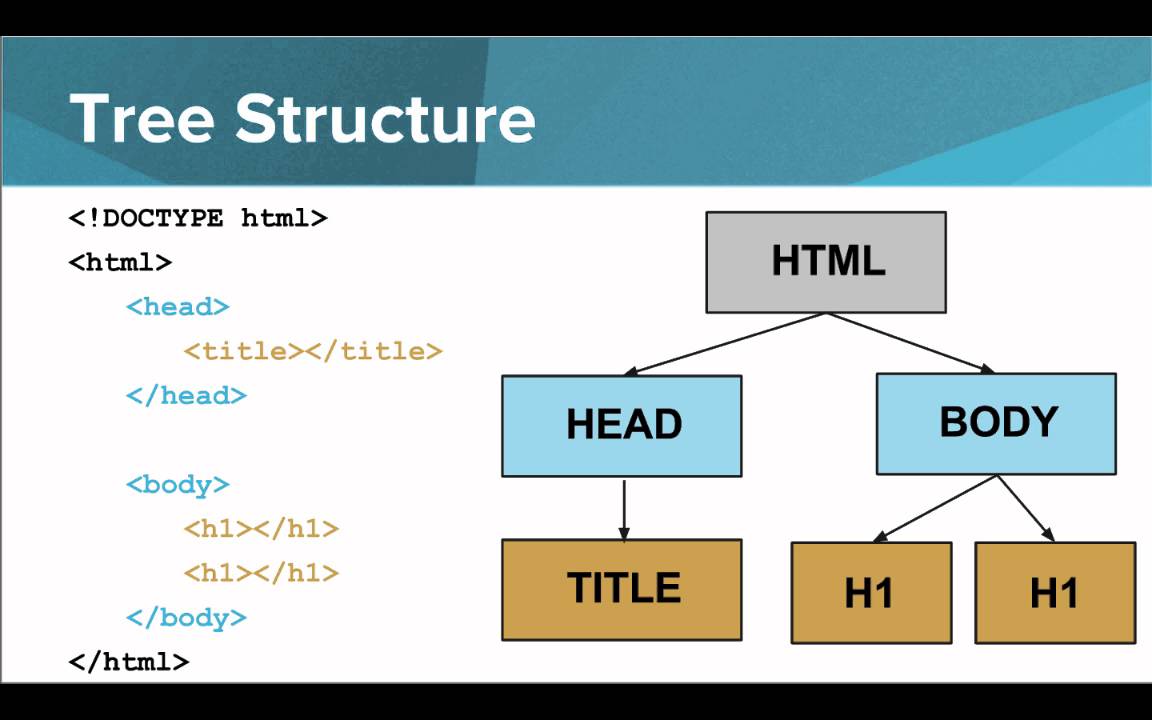
An HTML Document is mainly divided into two parts:
- HEAD: This contains the information about the HTML document. For Example, Title of the page, version of HTML, Meta Data etc.
- BODY: This contains everything you want to display on the Web Page.
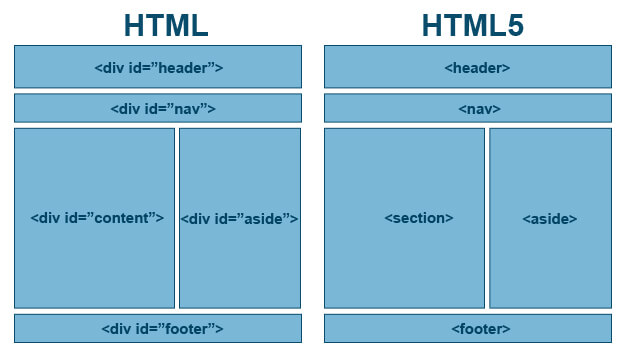
HTML5 is the fifth revision and newest version of the HTML standard. It offers new features that provide not only rich media support but also enhance support for creating web applications that can interact with users, their local data, and servers more easily and effectively than was previously possible
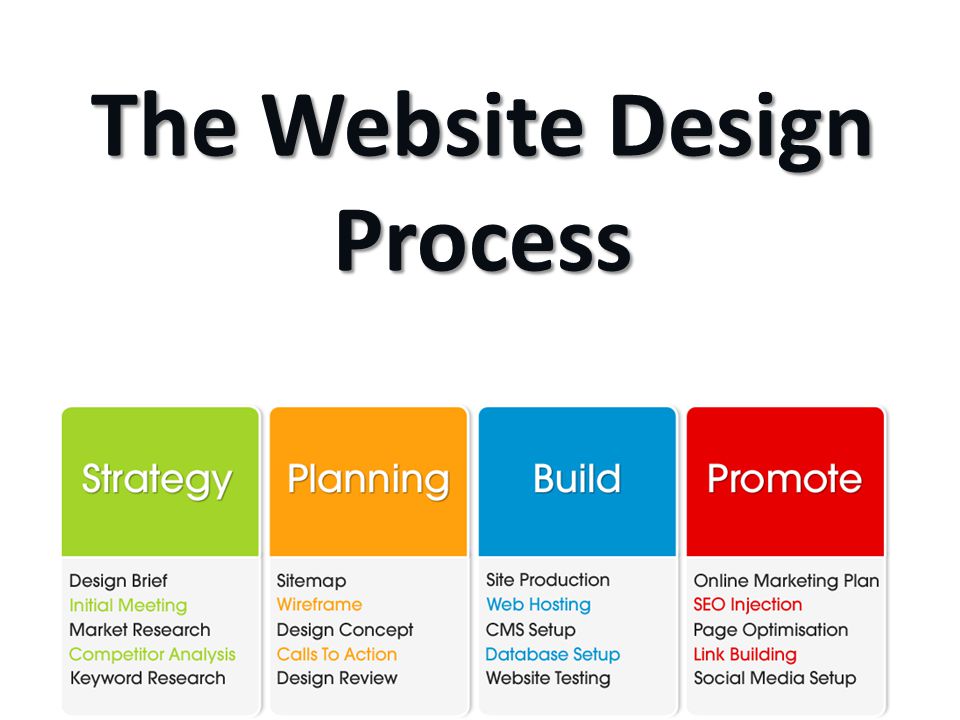
It's important to understand who your target audience is, why they would come to your site, what information they want to find and when they are likely to return.

ABC is an interactive programming language and environment for personal computing, originally intended as a good replacement for BASIC.
- a powerful collection of only 5 data types that can easily be combined
- strong typing, yet without declarations
- no limitations (such as max int), apart from sheer exhaustion of memory
- refinements to support top-down programming
- nesting by indentation
- programs typically one fourth or one fifth the size of the equivalent Pascal or C.
- no need for files: procedures and functions and global variables remain after logging out
- one consistent face is shown to the user at all times, whether executing commands, editing, or entering input to a program
- generalized undo mechanism.